
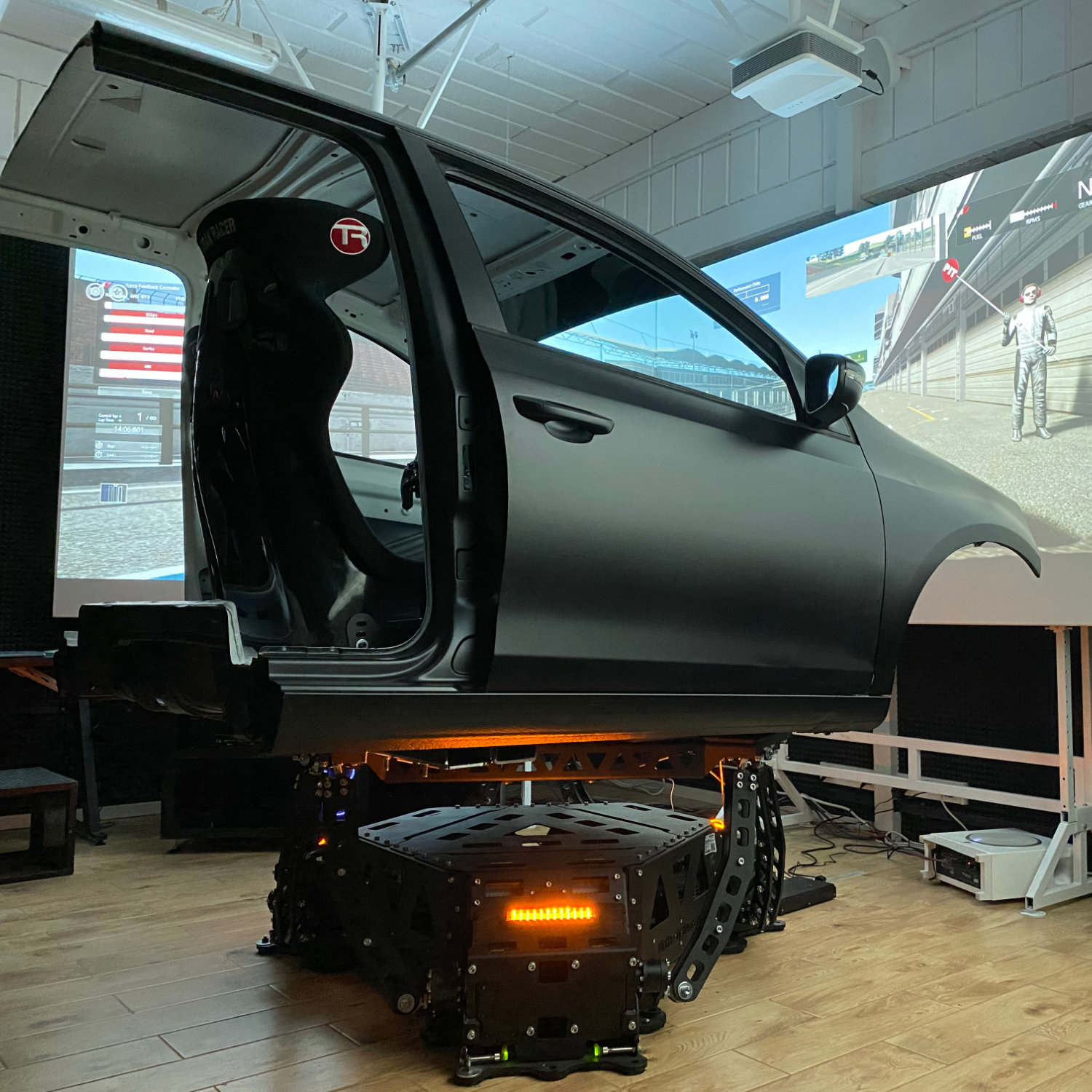
Full Motion Racing Simulator
Poland
The Solution
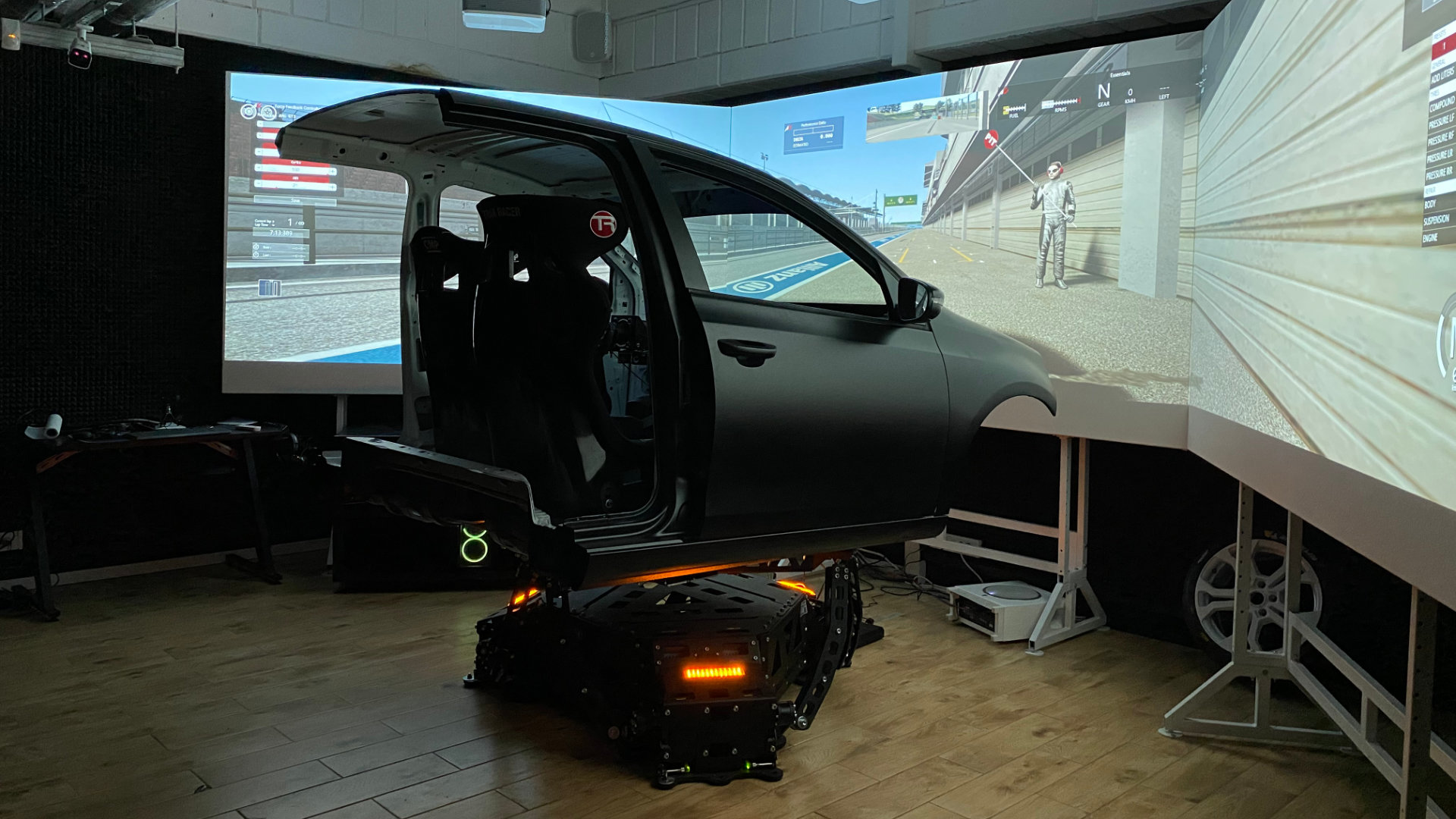
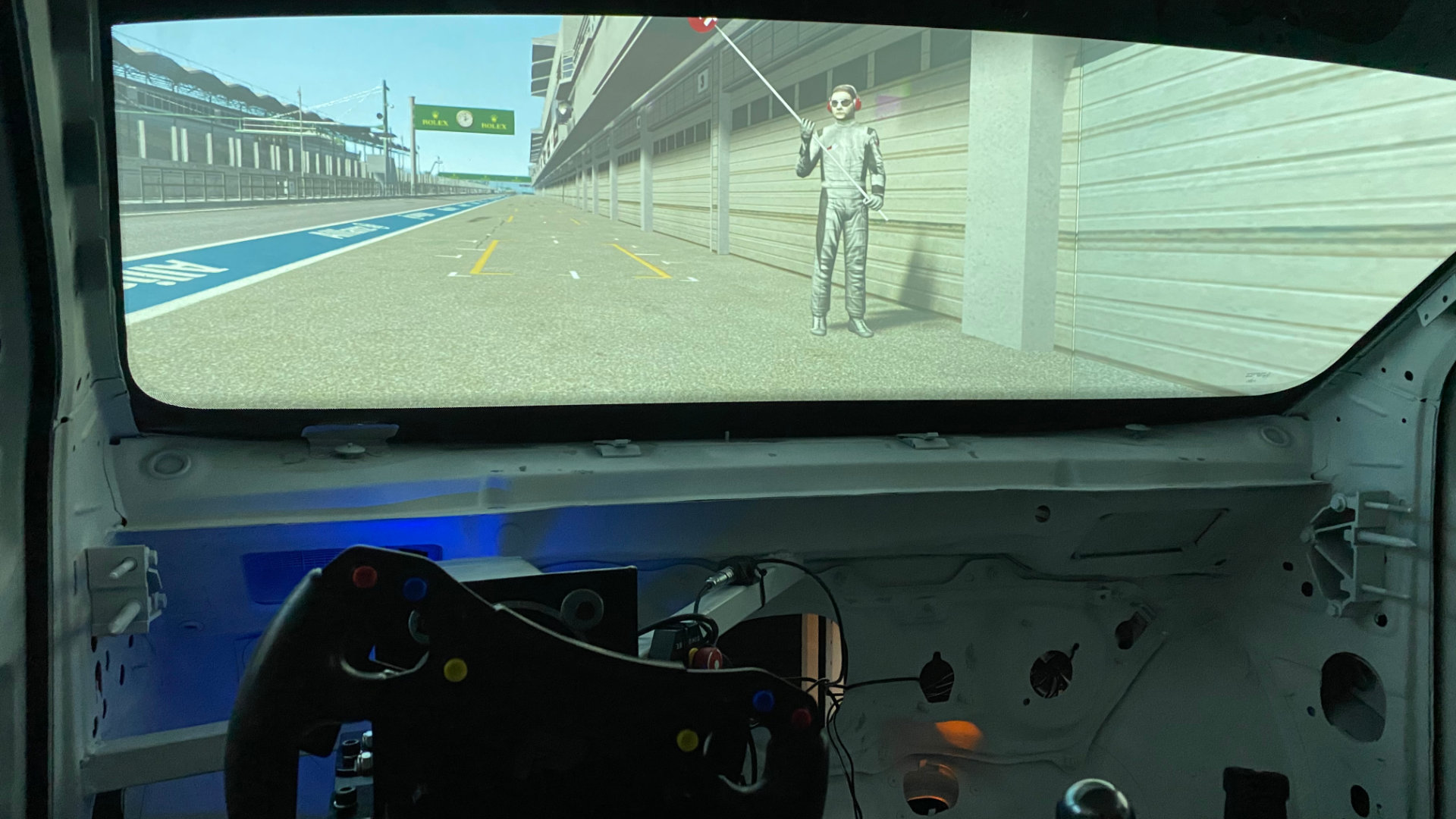
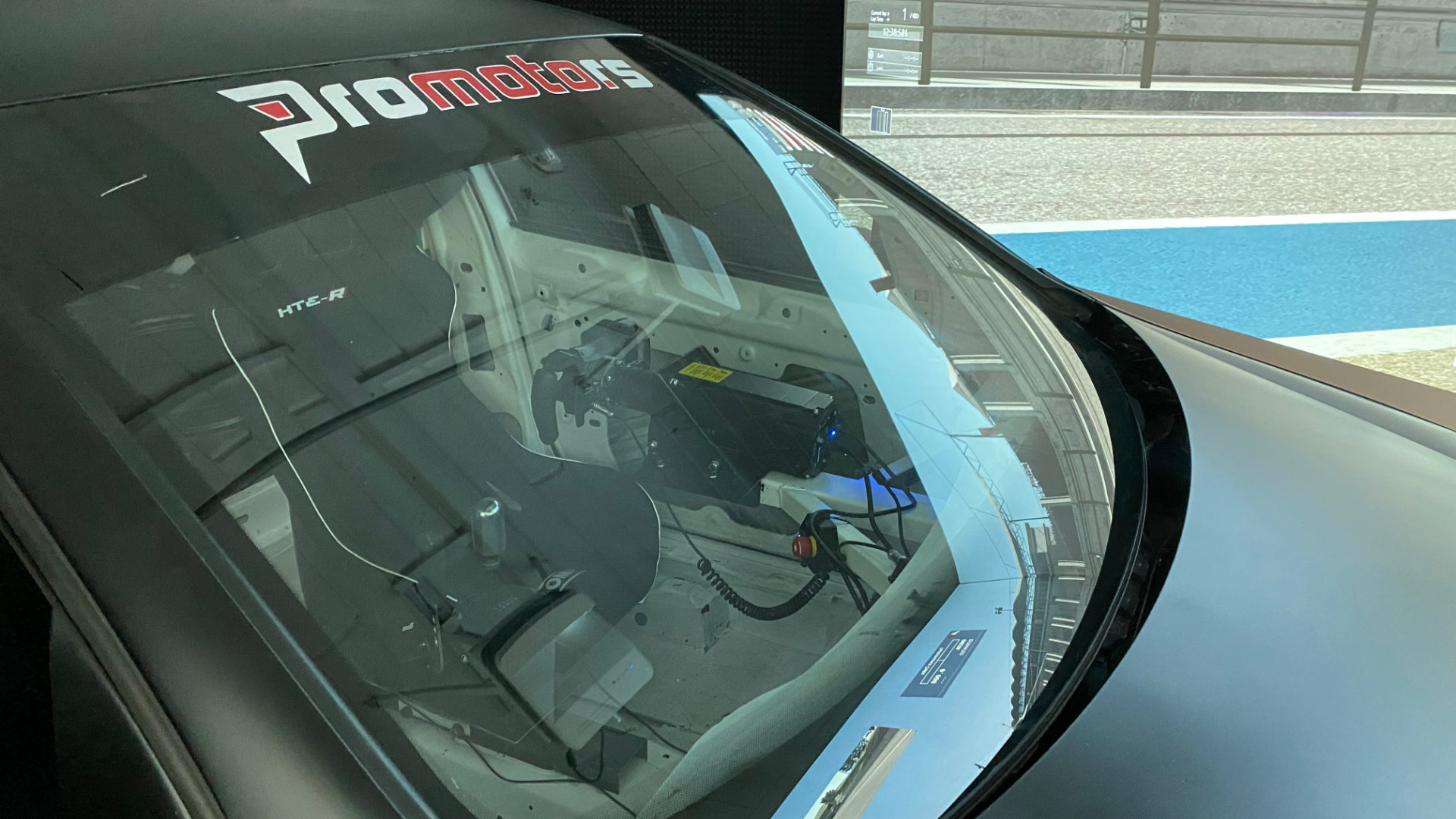
A Volkswagen Golf body, screens with a 190-degree field of view and a 6DOF motion platform. It is a simulator modeled on F1-team equipment, built by Szymon Ładniak, a talented racing driver from Lublin. He trains on it to compete in ADAC TCR Germany.
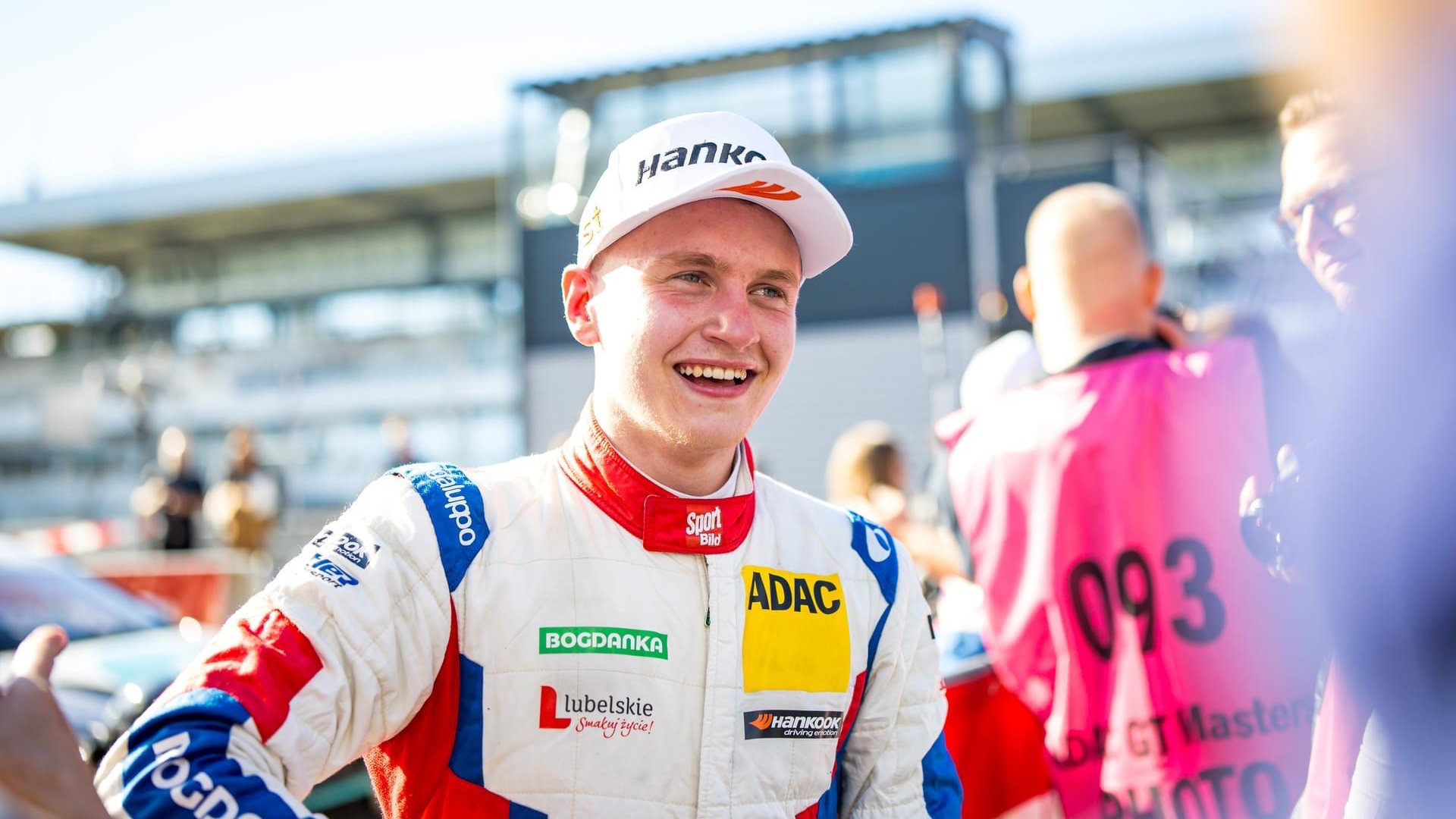
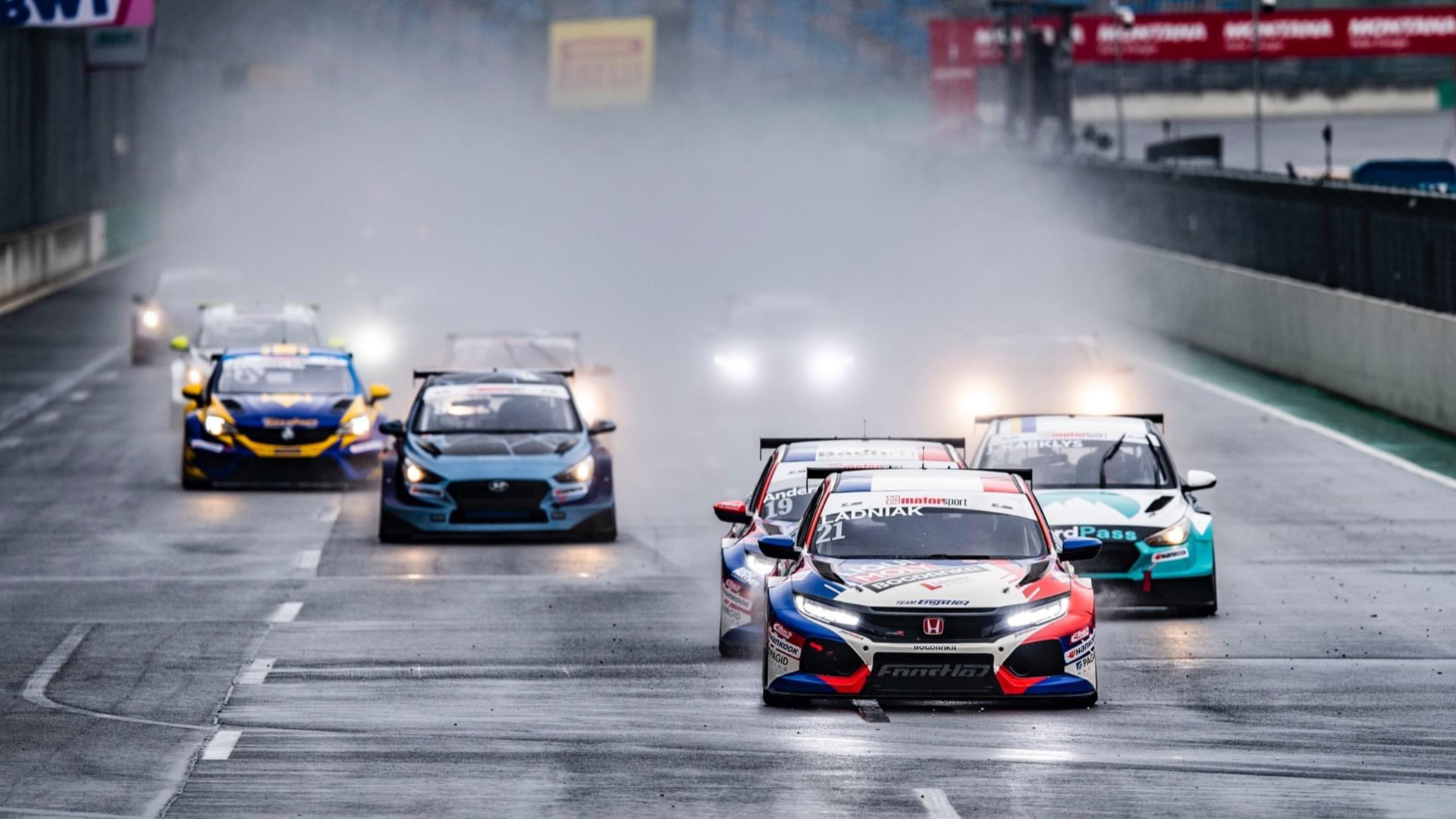
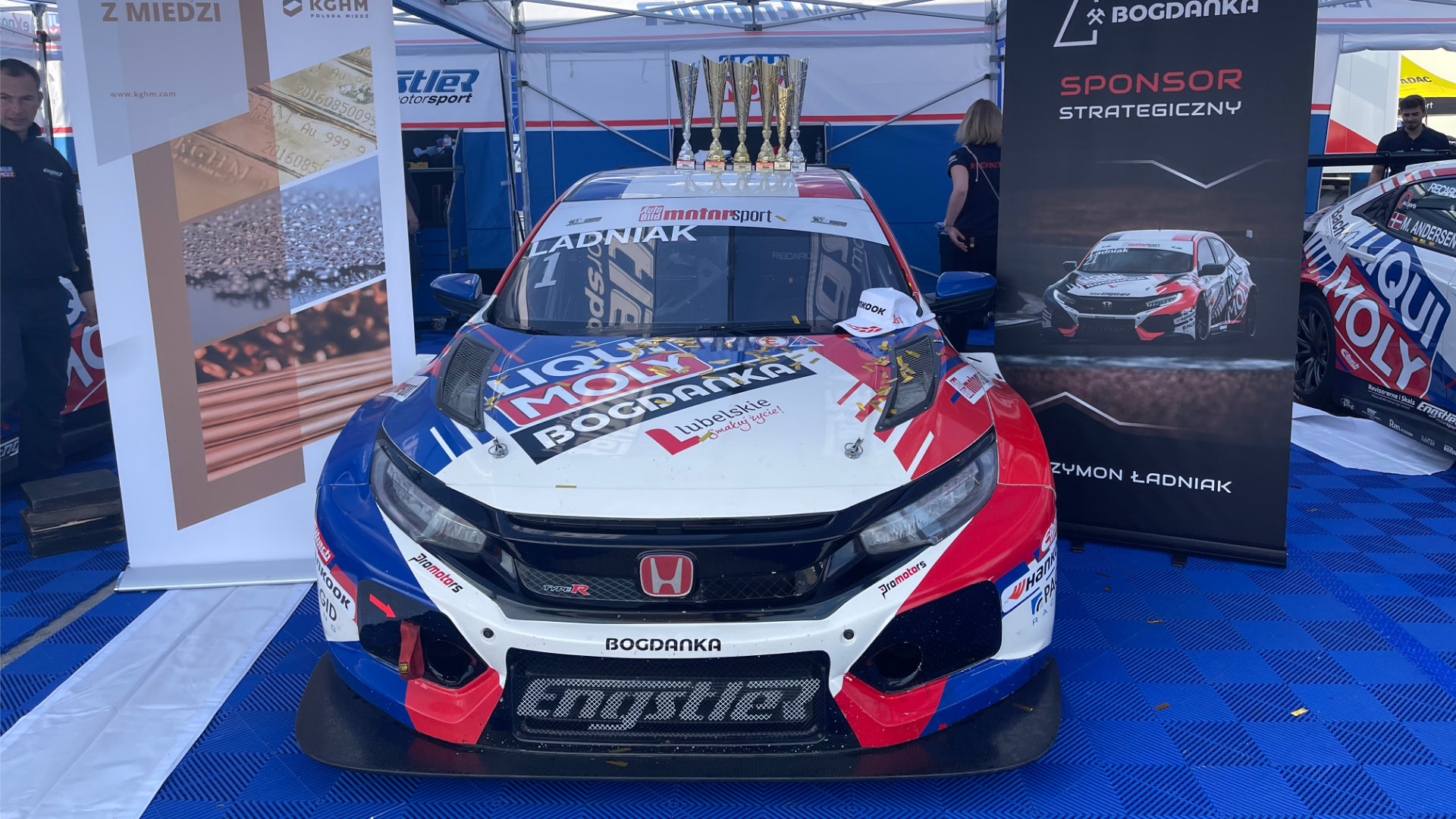
Szymon Ładniak was competing in this season’s ADAC TCR Germany series. He ended this year’s season with a first place in the junior classification and two non-division wins, which secured him third place in the overall. Ładniak, in order to be able to train as much as he needs, built with his father a simulator modeled on the equipment of F1 teams. It is a unique racing simulator on the Polish scale, equipped with a motion platform with six degrees of freedom.
Szymon Ładniak began his adventure with simulators by driving hundreds of hours in “Gran Turismo 5” on a pad and steering wheel, but at some point it was not enough. Szymon and his team needed a simulator so they could get behind the wheel more often, and training costs were optimized.
Benefits of Training on Motion Racing Simulators
Racing on a real track also requires the racer to have adequate technical facilities and car preparation. Fuel, the team’s time, food and accommodation are all predictable costs that stay at roughly the same level each time. On the other hand, there is no telling what will happen during practice and in what weather conditions the race will take place. A trip to the track involves very large costs to get there, rent the facility, pay the entry fee and prepare the car. A motion simulator turns those variables into repeatable settings and removes most of that cost.
In the Simulator, Changing a Few Parameters Is Enough
The simulator gives the drivers a great deal of opportunities to set up and change conditions from weather conditions to car settings. The modifications that were made to Szymon’s virtual car were custom-made to replicate the Honda that Ładniak competes in the ADAC TCR Germany series.
Golf VI Based Cockpit
The simulation software runs the same way no matter which cockpit shell is fitted to the motion platform. The simulator was built on the basis of the Golf that Szymon once drove. The interior dimensions of the cabin and the current driver’s car are so similar that there was no point in changing it.
Motion Platform Features
The motion platform feeds real-time cues to the driver, reproducing engine vibration, acceleration and braking much as they feel on a real track. The simulator also pairs large screens with a 190-degree field of view and a professional sound system - the kind of full-motion setup professional racing teams train on.
“Of course, the training itself is almost free, because of the price of the energy needed to power the simulator, but the cost of building such a device should not be forgotten. The simulator and "know how" is the cost of approx. 100 thousand euros, but this pays for itself precisely in the cost of training, although it is difficult to convert it exactly into money. However, the kilometers I have covered on this simulator are priceless to me.”
Project Gallery
A closer look at the build and installation.